


There is a book that gives more insight into life and motorcycles than any Highway Code or technical manual. That book is Zen and the Art of Motorcycle Maintenance, the wonderful 1970s novel by Robert Pirsig
The book is full of insight into so many things in human experience but it is rarely mentioned in conversations about safe motorcycling.
Pirsig’s character in the book is obsessed with the concept of quality - what does it mean, what does it look like, why does it matter? This is not the place for literary critiques but if you can get yourself in the Zen Zone, you can massively improve your riding skills and stay safe. For me, that means putting quality into your riding style.
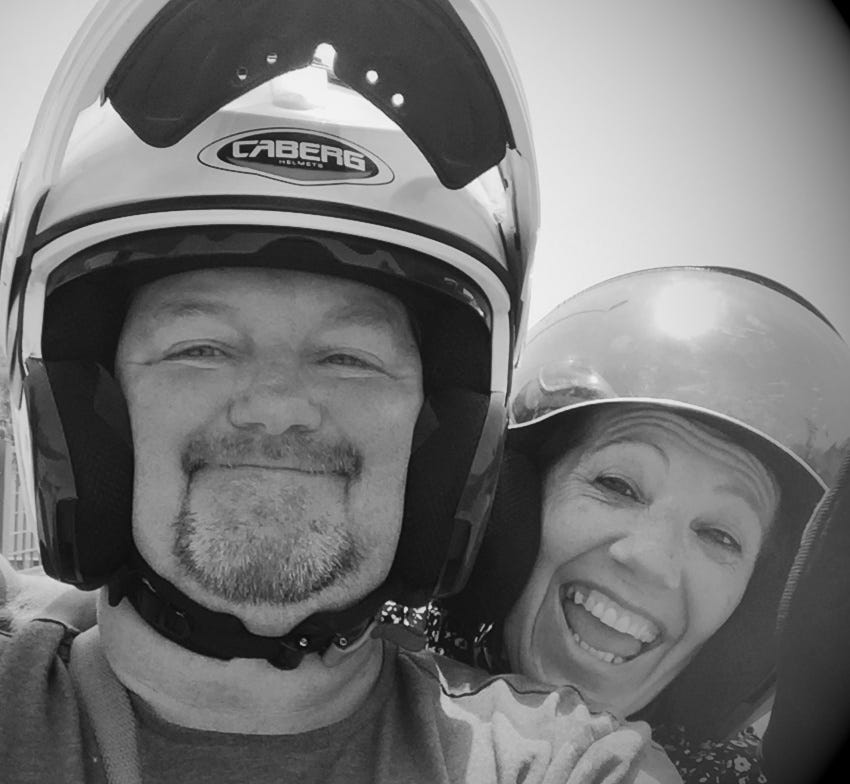
Zen is about accepting things for what they are. If I find myself in rush-hour traffic, my riding style needs to be rush-hour, not race-track. If the car in front is driving aggressively, I need to be more passive - drop back, give space, slow down…
Equally, when I find myself on an empty motorway at dawn on a summer morning, I may well give it the full beans - within legal speed limits, obviously.
This is what I mean about putting quality into your riding in the Zen way.
What follows are ten tips for riders in city traffic based on my experience and my Zen-sitivity to danger…
Danger lurks in every corner, Grasshopper - in a city, potential hazards pop up every few yards. Pedestrians walk into the road without looking, cars change lanes without signalling, delivery scooters will undertake and u-turn at will, trucks stop suddenly, roads narrow, junctions converge, speed cameras mean cars may slow down unexpectedly. Ride defensively and if you can’t stop safely in the distance you see is clear ahead of you, you are riding too fast. Steer and brake the front wheel at the same time and you will invariably end up in trouble at anything over car park speeds.
The bigger the bike, the safer you are - generally. Big motorcycles, are generally very visible and less dangerous to ride, provided you follow the rules. You usually ride tall and the bike will be wider making cars very aware of you. The statistics bear this out by the way - it’s not an urban myth. Scooters and bikes that are smaller tend to be less visible, less stable and less powerful. Personally, I have mostly ridden large bikes in London - Moto Guzzis, big Hondas and - at the moment - a 300kg Triumph Trophy SE.
Filtering is fine - but don’t take unnecessary risks. Never try to filter through the narrow gap between moving trucks or buses. They only have to move a few centimetres in their lane to hit you and crush you against the other vehicle. Likewise, zig-zagging between cars in heavy traffic is fun but beware of the idiot who might accelerate to stop you doing it - and your own ability to both brake and steer.
Be aware of what is behind you. Cars increasingly seem to run into bikes from the back, especially in traffic. The stats bear this out also. The use of mobile phones and car screens at the wheel may have something to do with this but we need to protect ourselves by being alert to what is behind us. Use those mirrors and if the driver behind looks like he is not focused on driving, get out of his way. The video below shows what happened to me on the A40 going out of London one evening, riding a courtesy bike while mine was in the repair shop.
Being first away from the lights is not always possible. Know when to relax, it’s not a race - and the car next to you may have a nutter at the wheel who doesn’t like your fancy sports bike. He may not let you cut in as you pull away and you’ll end up being side-swiped.
Wear safety gear - Wear your hi-viz, armoured jacket and keep dipped beam on at all times. One of the most common things drivers say when they hit bikes or scooters is ‘I didn’t see it.’ Don’t make it easy for them. Lights make you visible in their rear and wing mirrors - and make you more visible when doing risky manoeuvres like right-hand turns at busy junctions.
Look after your machine - it may save your life. Brakes, oil, lights, tyres and suspension. Check them regularly. Under-inflated tyres can kill you when you hit that bend too fast or brake too hard. If you are new to motorbikes, you should take even more care with tyre wear and pressures because you won’t have the experience to realise when they are becoming dangerous.
Discipline is your friend, Grasshopper, especially on roundabouts. Do that lifesaver check every time you change lanes. Never assume the lane alongside is free to move into. Beware of heavy vehicles that may cut across to the inside lane without signalling as they leave a roundabout.
Be aware of how you are riding and be self-critical. If you find yourself dodging a few near misses or hard braking more than usual on your daily commute, it may be time to refresh your skills. Sometimes, I find just talking through your ride can improve your awareness. Next trip give yourself a commentary while you ride - I’m turning left now. Checking mirrors. Signalling, lifesaver - all clear. Turning now into a line of slow moving traffic, easing down the throttle. This is what Police riders are taught to do as part of their training.
Wisdom comes with time, Grasshopper. In the same way that professional pilots judge each other by number of hours flown, you need to start thinking of your own journeys in terms of clocking up experience. I did more than 50,000 miles on my last bike which equates - very roughly - to about 1600 hours’ riding. Of course, there are different types of ride, ranging from commuting to long distance mile-munching on motorways. Again, as pilots do, think about your journeys in terms of new experiences - for example, riding at night in a storm on unlit streets, riding at high speed on a summer outing to the coast, threading through traffic on busy streets.